

Is Hydro-Jetting Better Than Snaking?
A Portland homeowner's guide to choosing the right fix for a clogged drain. Licensed, insured, and available 24/7.
- Licensed & Insured, CCB# 249970
- Available 24/7, nights and weekends
- Upfront pricing
- 10% off for Military, First Responders & Seniors
Drain keeps backing up?
Straight answers and upfront pricing, any hour of the day.
Available 24/7 · Licensed & Insured · CCB# 249970
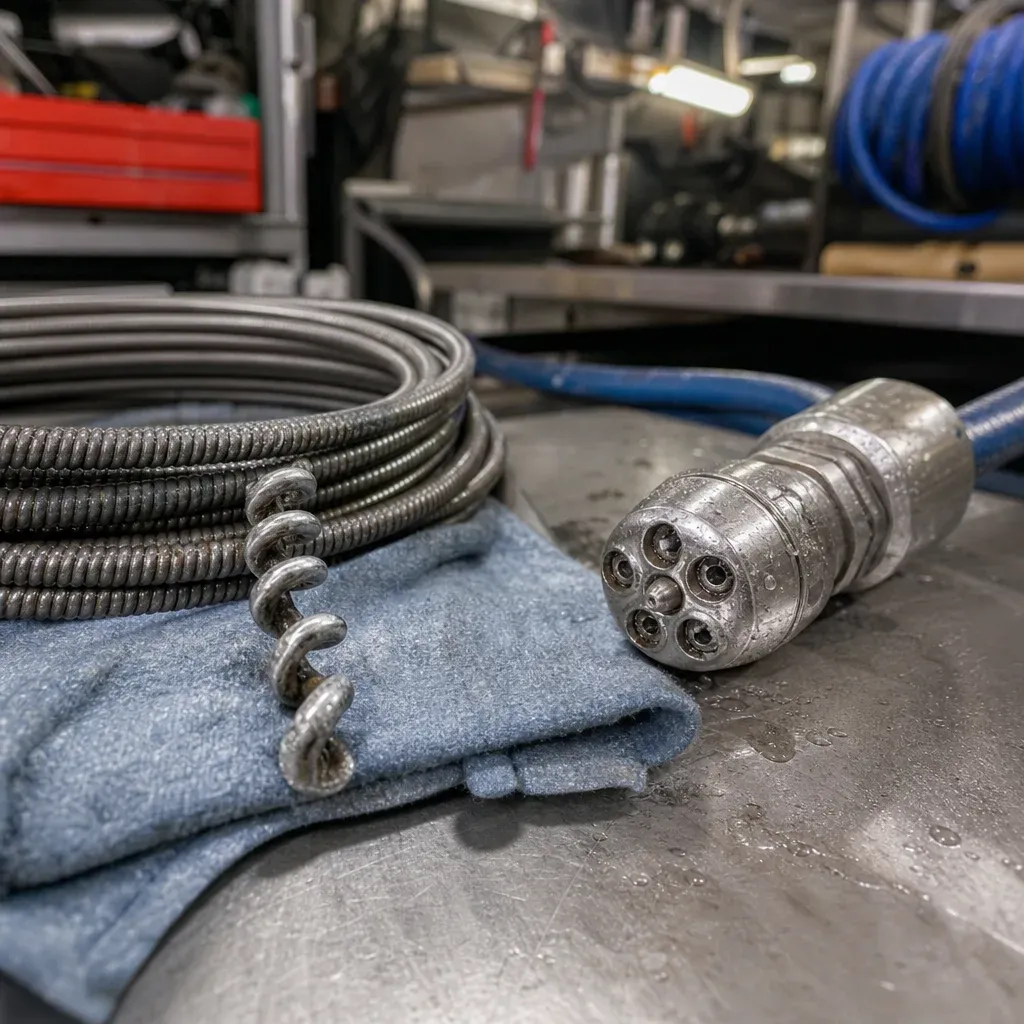
Hydro-Jetting vs. Snaking: What Each Method Does
Is hydro-jetting better than snaking? It depends on what is in your pipe. Snaking punches a hole through a clog so water moves again, while hydro-jetting uses high-pressure water to scrub the pipe walls clean.
A drain snake is a long metal cable. It is fed down the line and spun until the head reaches whatever is blocking the pipe, then it chews through the clog or grabs it and pulls it back out. It is fast and simple, and for a lot of clogs it is the right call.
Here is the part that often goes unexplained: a snake clears a path. It does not clean the pipe. Think of a straw coated inside with grease. Poke a pencil through the middle and air moves again, but the grease is still there, and it starts closing back in. That is why some drains clog again weeks later.
We ran into this on a Southeast Portland rental last winter. The kitchen line backed up three times in two months, and previous cable work cleared it each time. When we put a camera down, the pipe was coated in about a half inch of hardened grease from years of cooking. Snaking was never going to fix that. One hydro-jetting visit and the line has been quiet since.
Hydro-jetting works differently. A hose with a specialized nozzle goes down the line, and water sprays out at high pressure, forward and backward. The backward jets pull the hose deeper while scouring the walls, stripping off grease, soap scum, mineral scale, and sludge and flushing them downstream.
- Snaking: breaks through or hooks out a specific blockage. Works well on hair, soft clogs, and objects stuck in a line.
- Snaking: will not remove grease coating, scale, or years of buildup along the pipe wall.
- Hydro-jetting: scrubs the full inside surface of the pipe with pressurized water.
- Hydro-jetting: handles grease, sludge, soap buildup, and fine root hairs a cable leaves behind.
- Hydro-jetting: should follow a camera inspection, because pipe condition matters.
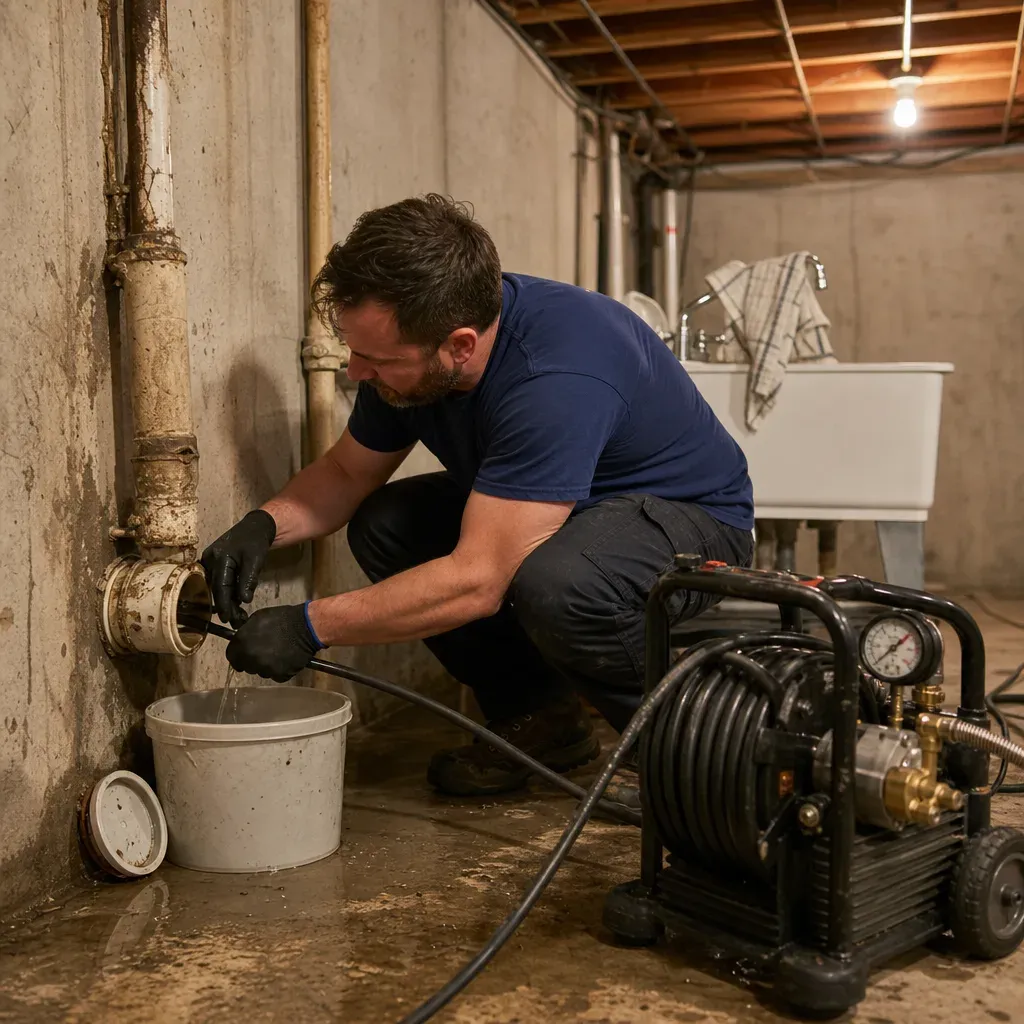
Why the Real Question Isn't Which Tool Is Stronger
Ask a good plumber whether hydro-jetting is better than snaking and they will answer with a question: what is in the line? Hydro-jetting is more powerful. But power is not the same as correct, and the wrong tool for the clog wastes your money either way.
Snaking clears a path. Hydro-jetting cleans a pipe. Those are different jobs. Booking jetting for a simple hair clog in a bathroom sink is paying for far more than the problem needs. Snaking a line coated in years of grease keeps buying short-term fixes.
Older sewer lines are part of the equation. Many homes in older Portland neighborhoods like Sellwood and Laurelhurst still have clay or cast iron lines, and roots can work into clay joints and grow into a mat that catches waste. A cable can cut that mat and jetting can strip the line clean, but a pipe that is already cracked should be looked at before anyone sends high-pressure water through it.
Quick story. We got called to a Southeast Portland house where the kitchen line backed up roughly every three months like clockwork. Three previous visits, three snakings, three temporary fixes. The cable kept opening a small channel through years of hardened grease, and the channel kept closing again. Jetting the line took one visit, and it has not backed up since. Same pipe. Different tool. Different outcome.
You do not have to diagnose this yourself. You just need a plumber willing to look before they quote, instead of selling the biggest service on the menu. Wild Pine Plumbing diagnoses first and quotes upfront before any work starts.
- Find out what is clogging the line. Hair and soap behave nothing like grease or tree roots.
- Check the history. A first-time backup is different from a repeat one.
- Look at the pipe itself. Old cast iron and fragile clay get evaluated first.
- Ask how far back the problem sits. A trap clog and a main line clog are different conversations.
- Match the tool. Simple blockage near the fixture, snake it. Recurring buildup coating the line, jet it.
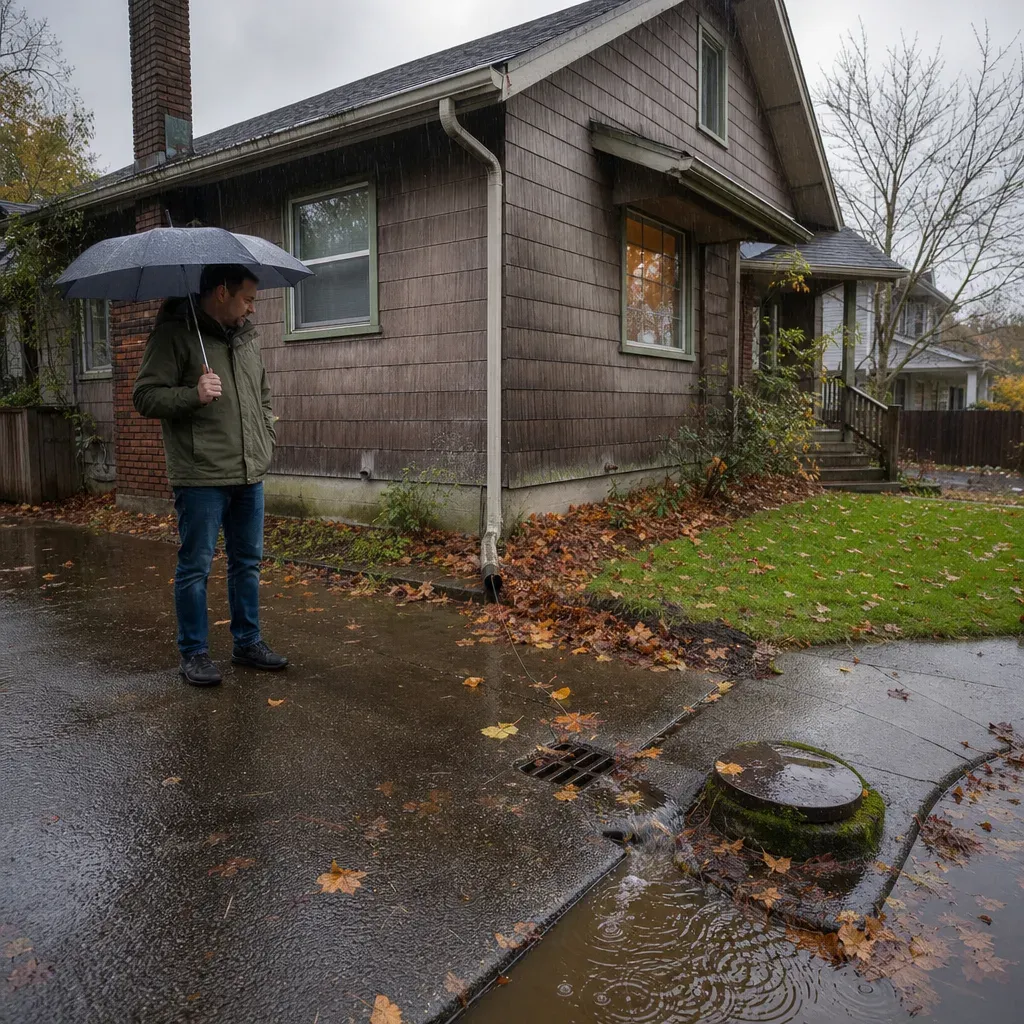
Which Situation Matches Your Drain Problem
Snaking makes sense when the problem is small, new, and local. Hydro-jetting makes sense when the problem is big, repeating, or coating the inside of the pipe. A few questions usually tell you which one you are dealing with.
Start with the basics: is it one fixture or the whole house, has it happened before, and what has been going down the drain? One slow sink usually means a local clog. Every drain backing up at once points to the main line. Grease and food build up in layers, while a toy or a wad of wipes is a single object.
Then think about the pipe. Homes in Laurelhurst, Irvington, and much of inner Southeast still run cast iron or clay, and those older lines scale up and crack, big trees send roots toward sewer joints, and a wet season can push groundwater into cracked lines. If a cable cleared the drain and it came back within weeks, that is a buildup problem, not a blockage problem.
Common matches:
- Kitchen sink slow after years of cooking grease: hydro-jetting, because a cable just pokes a hole through the coating.
- Toilet backs up once and nothing else is affected: snaking, and it is usually a five minute job.
- Main line backs up every spring like clockwork: camera inspection first, then almost always hydro-jetting for roots and scale.
- Laundry standpipe overflows on wash day: often lint and detergent buildup, which jetting clears fully.
- Fragile old cast iron with visible corrosion: snake it gently, camera it, and talk about repair before blasting water through a pipe that is already thin.
- Wondering what a drain cleaning visit might cost? See how much drain cleaning costs in Portland.
We had a house near Sellwood where the owner wanted jetting because a neighbor raved about it. The camera showed a cracked belly in the line, and jetting would have made a mess of it. We repaired the section instead and the drain has been fine since.
Good plumbers look before they choose. Anyone who quotes you a method over the phone without seeing the pipe is guessing, just confidently.
Frequently Asked Questions
How do I know if my clog needs snaking or hydro-jetting?
Look at the history of your drain, not just the current backup. A one-time clog from hair, a toy, or wipes usually just needs snaking. Repeat clogs in the same drain, especially every few weeks or months, point to grease or buildup coating the pipe wall, and that pattern is where hydro-jetting tends to hold up better than another cable run.
Why does my drain clog again after snaking clears it?
Snaking punches a hole through the clog, but it does not clean the pipe walls. Grease, soap scum, and sludge stay stuck to the sides after water flows again, and over time that buildup narrows back in and clogs the line. This is the most common misconception homeowners have. If your drain keeps backing up on repeat, that is a sign to look at hydro-jetting instead of snaking again.
Can hydro-jetting damage old or fragile pipes?
It can, if nobody checks the pipe first. Older cast iron or clay lines should get a camera inspection before jetting begins, so the plumber can judge pipe condition and age before deciding pressurized water is safe for that line. That is why the diagnosis step matters more than the tool itself when you compare hydro-jetting and snaking.
Is hydro-jetting overkill for a simple bathroom sink clog?
Usually, yes. A hairball or small object stuck near a fixture is a quick job for a snake. Hydro-jetting is built for scrubbing full lengths of pipe clean of grease, sludge, and root hairs, not for a small local blockage. Using it on a simple clog adds cost without solving a problem that was not there.
What causes recurring kitchen drain clogs?
Hardened grease buildup is the most common cause, especially after years of regular cooking. Grease coats the inside of the pipe slowly, narrowing the line until water barely drains. Snaking punches through that coating but leaves it in place, so the clog returns. Our Portland drain cleaning page covers how we handle grease with hydro-jetting.
Ready to Get Started?
Upfront pricing. Honest work. Available 24/7 across Portland Metro.
Ask about our 10% discount for Military, First Responders & Seniors.