Drainage Service in Portland, OR
Slow sink, soggy yard, or sewage at the floor drain. Pick the drainage job that matches the problem, then get one price before any work starts.
How to Use This Page
Portland's older homes and clay-heavy soils make drain, sewer, and yard-water problems common in the rainy months. This page covers drain cleaning, drain repair, sewer work, camera inspection, yard drainage, sump and ejector pumps, and excavation for line access. You get a plain explanation of each one and how to tell them apart. You also get one price before we start, and that is the price at the end of the job.
Drain Cleaning Clears Blockages Fast
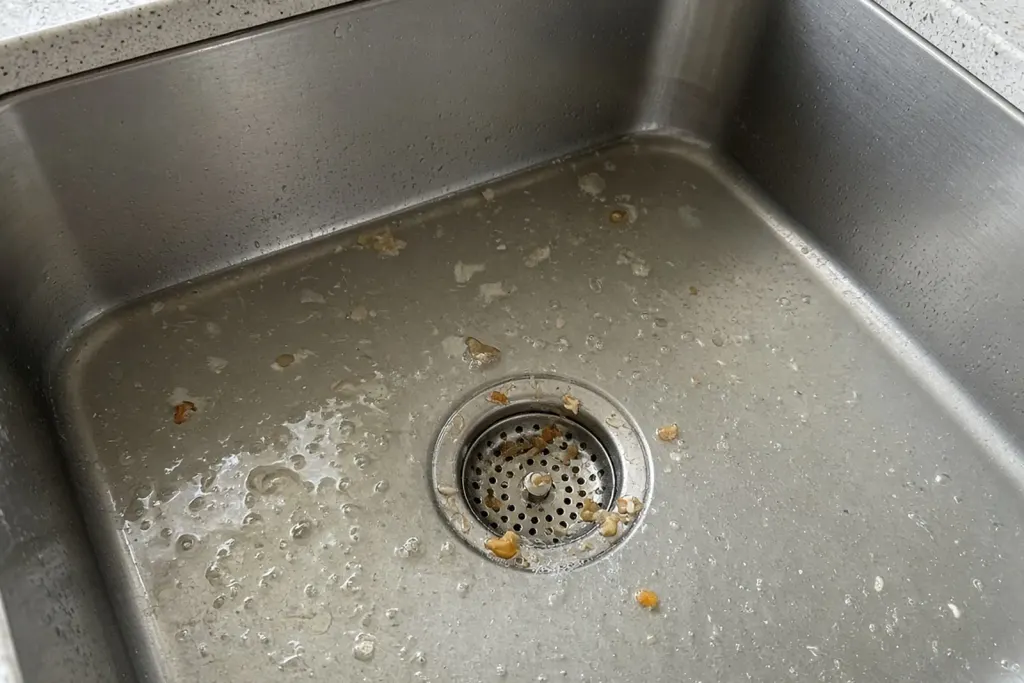
A kitchen sink that takes forever to empty, or a tub that gurgles when someone flushes, is usually a clog in a pipe that is still sound. Drain cleaning clears grease, hair, soap, and food scraps so water flows again. Signs it is probably a simple clog: only one drain is slow, it gurgles or smells a little, water backs up after heavy use then slowly drops, or a plunger helps for a day or two.
If every drain backs up at once, stop running water and call, because the problem is likely farther down the line. Cleaning works when the pipe itself is sound. If the pipe is cracked or broken, cleaning will not fix it.
Drain Repair Fixes Damaged Pipes
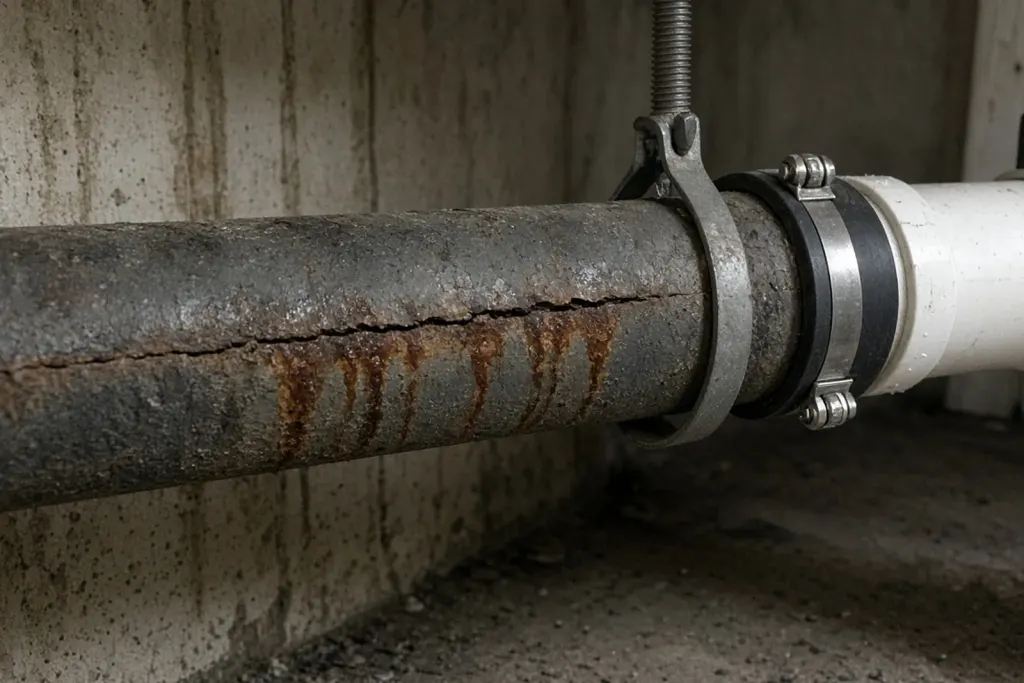
Cleaning clears what is stuck inside. Drain repair fixes a cracked, broken, or collapsed pipe. If the same drain has been cleaned two or three times this year and keeps clogging, that can mean ongoing buildup or a pipe condition that cleaning alone will not solve. Cracks catch debris, sags hold water, and broken joints invite roots, but inspection comes before claiming damage. In older Portland homes, aging clay sections are a common reason cleaning alone never lasts. We would rather inspect and tell you that up front than sell another cleaning you do not need.
Sewer Repair and Replacement Solves Line Failures
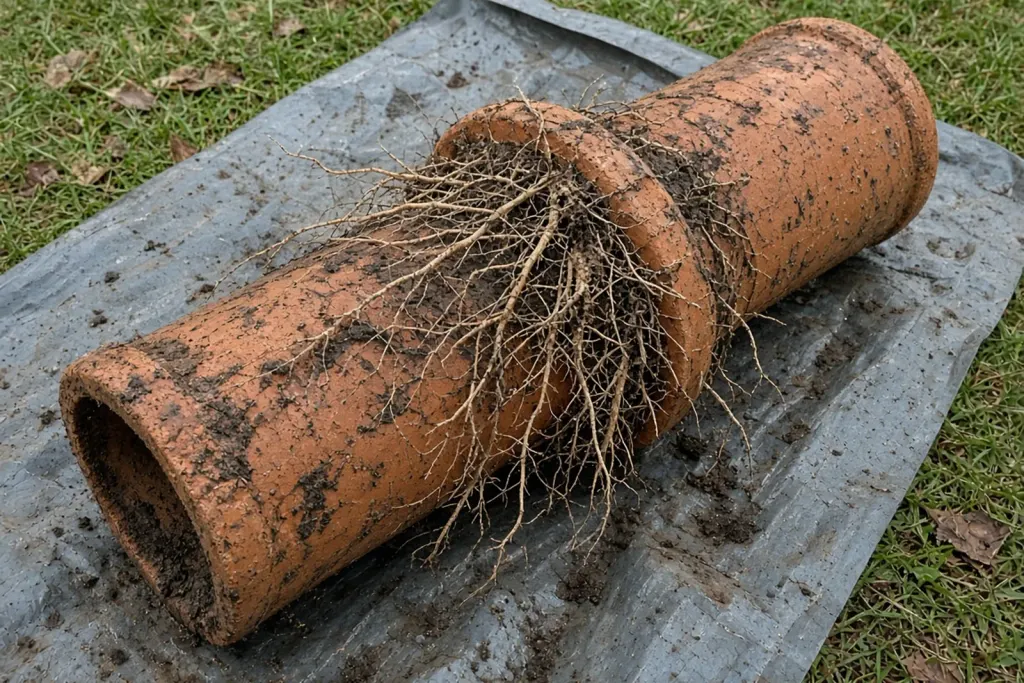
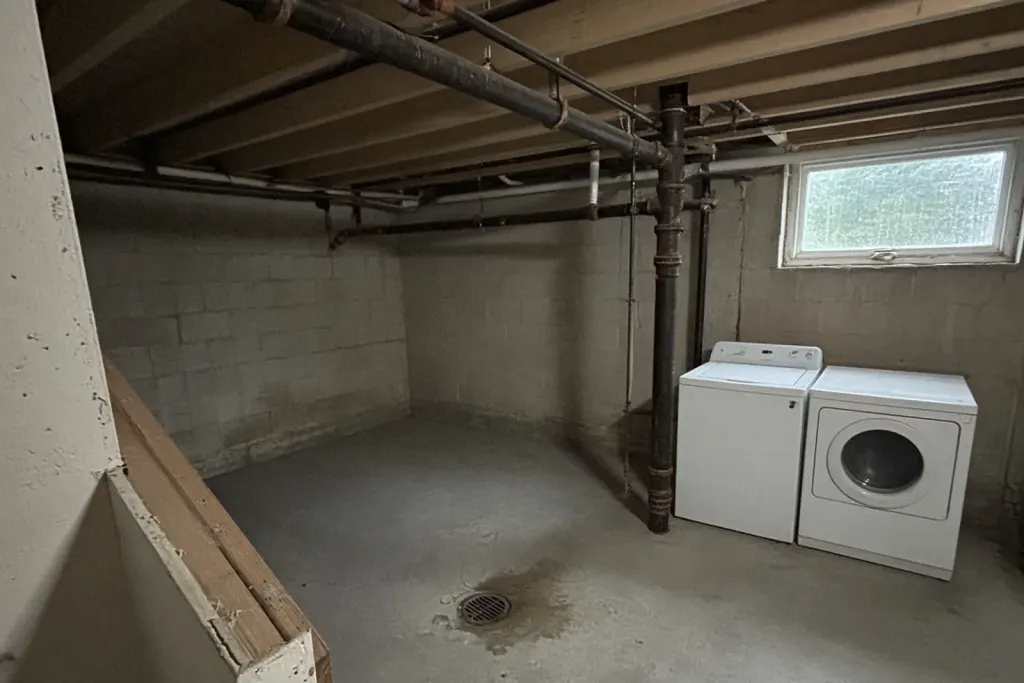
Many Portland homes still have original clay or cast-iron sewer laterals from the house to the city sewer. Roots work into joints and the ground settles under the pipe. Signs include sewage at a floor drain or lowest toilet, sewer gas in the yard, or a soggy green patch that never dries. If sewage is coming up indoors, stop using water, keep kids and pets away, and do not clean it with bare hands.
Some jobs need a short repair, while others need a full replacement, and we walk you through which one before anything starts.
Sewer Camera Inspection Finds the Problem First
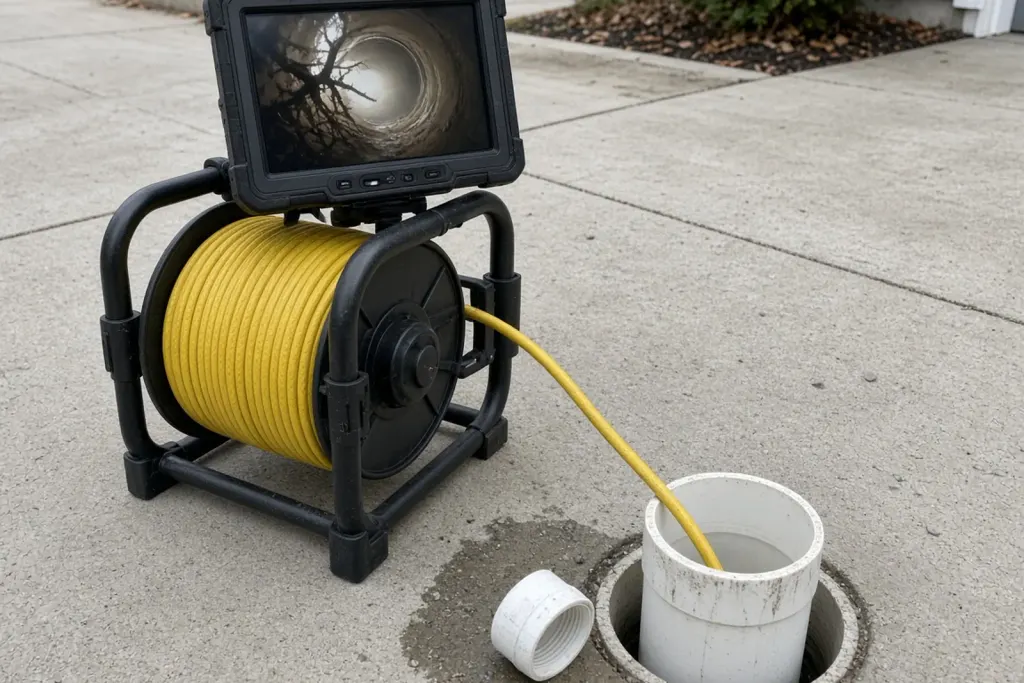
A waterproof camera shows roots, cracks, sags, or a crushed section without digging the whole yard, which helps before buying or selling an older home, after repeated backups with no clear cause, or before planting trees or building over the line. A camera inspection only diagnoses; repair or replacement handles the fix if we find damage.
Yard Drainage Installation Manages Standing Water
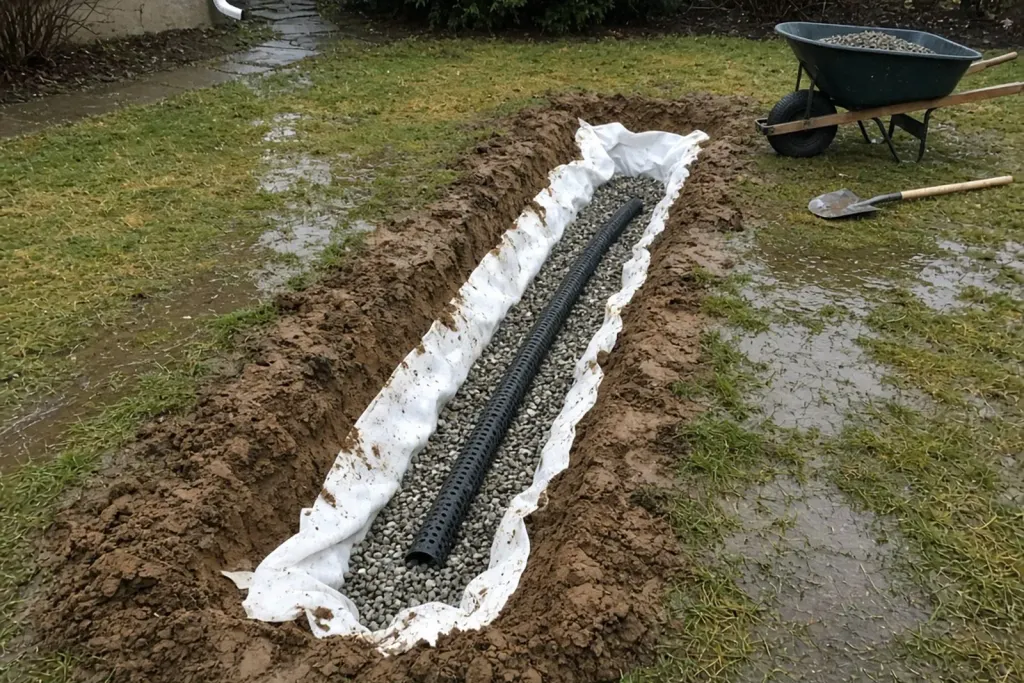
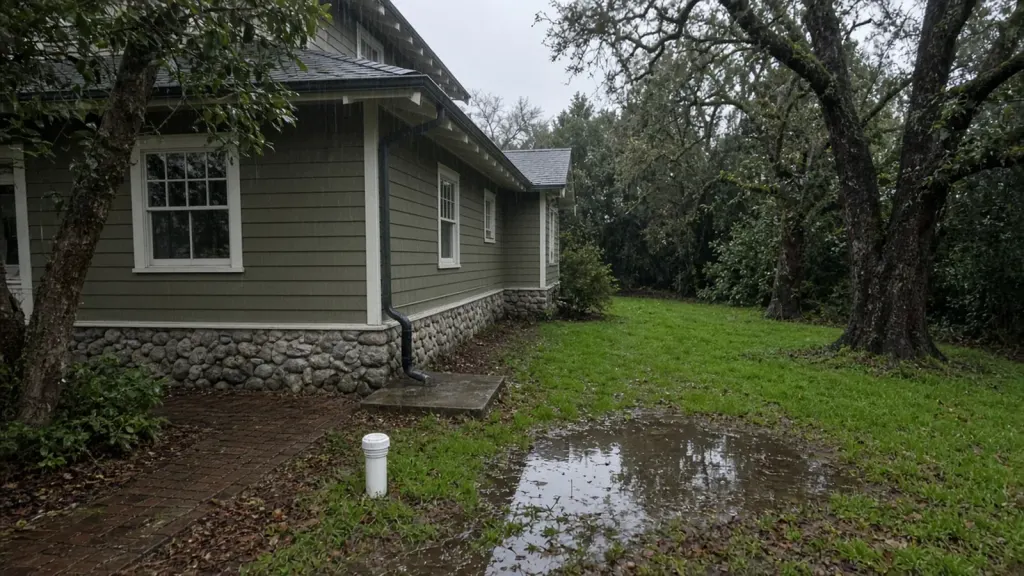
Yard drainage moves surface water and groundwater away from the lawn and foundation. Portland clay does not drain easily, and most rain falls from mid-October through mid-May. After the next big rain, walk the yard and watch where water sits, especially next to the house. If the ground slopes toward the foundation, fix that area first. A sump pump only handles water that already reached a basement or crawlspace pit. Stopping water in the yard means less of it tries to get inside.
Sump Pump Installation Protects Basements and Crawlspaces
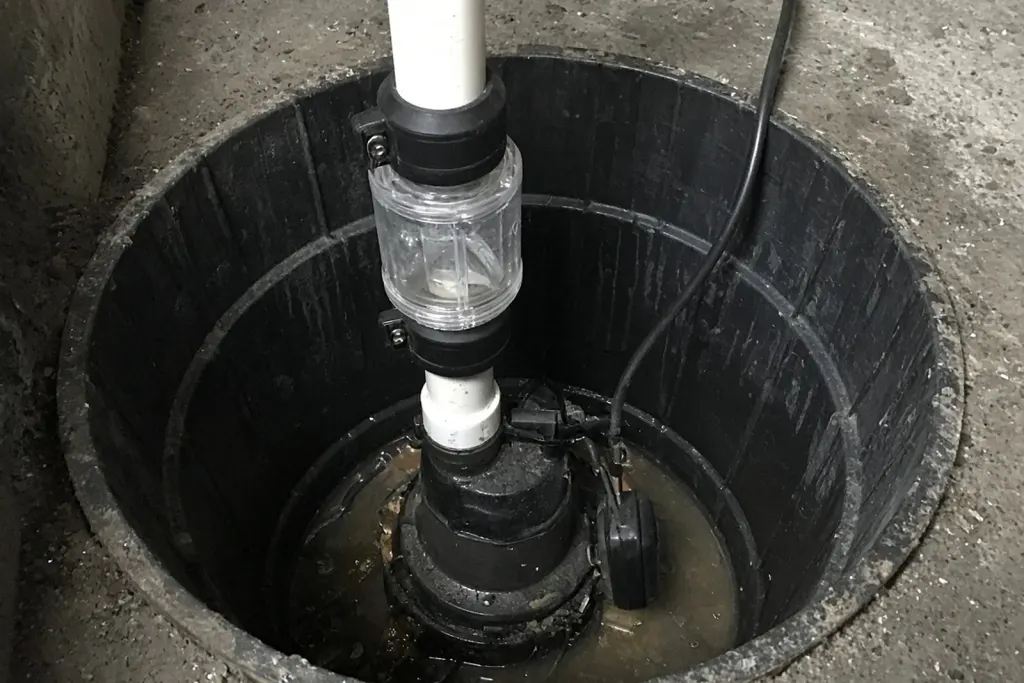
Standing water in a crawlspace in November, or damp carpet along a basement wall, is groundwater finding a way in. A sump pump sits in a pit at the low point and sends that water away from the foundation. We locate the low point, set the pit, install the pump and discharge, then test it with water so you can watch it work. Before rainy season you can test an existing pump by pouring a bucket into the pit.
Ejector Pump Installation Handles Below-Grade Wastewater
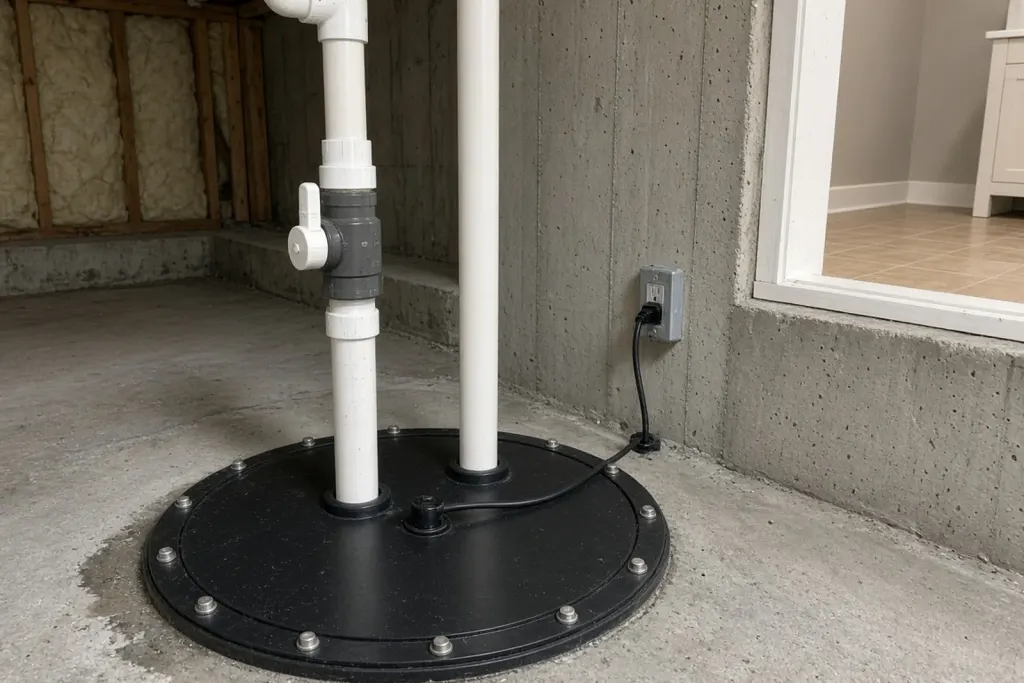
An ejector pump moves wastewater from toilets and sinks below the main sewer line. A sump pump only moves groundwater. Basement baths, laundry rooms, and wet bars often need an ejector basin with a sealed lid. Because it handles sewage, this is not a weekend DIY job. Plan it while walls are open when you finish a basement.
Excavation Opens Access for Drain and Sewer Line Work
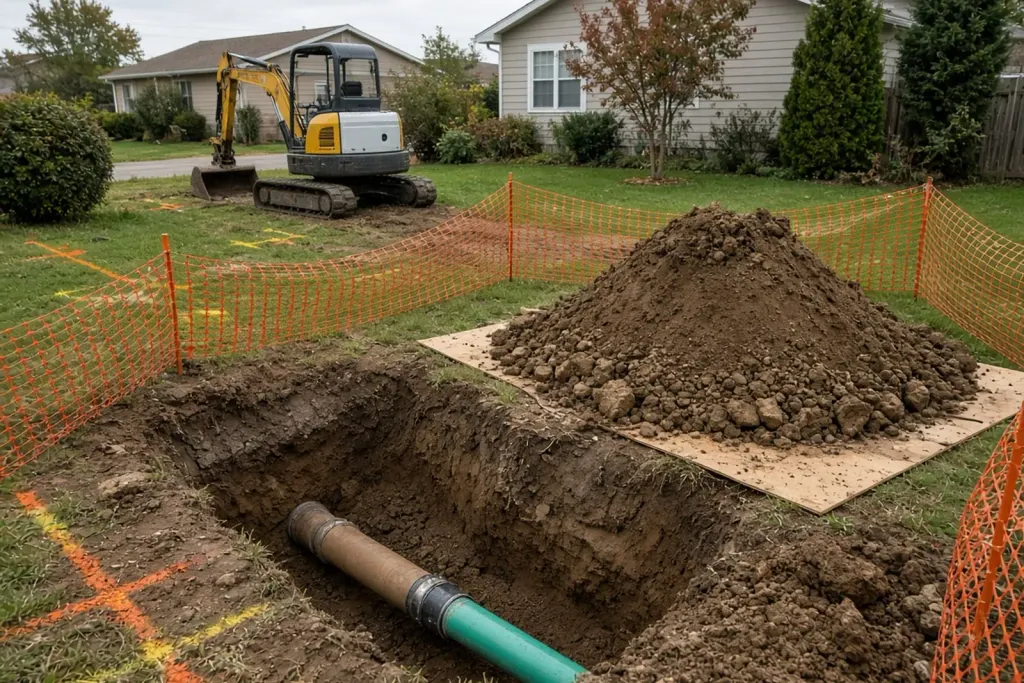
Sometimes the only way to fix a broken sewer or drain line is to dig to it. On this page, excavation means access for drain and sewer work, while digging for water mains sits with other water-line plumbing. Camera inspection usually comes first so we dig in the right spot, utilities get marked before the first shovel, and after the repair we backfill and restore the area.
Call (503) 594-4779 when you are ready, or start from our other plumbing help for Portland homes. For city sewer questions, see Portland Bureau of Environmental Services.
Frequently Asked Questions
How do I know if I need drain cleaning or drain repair?
Cleaning fixes a clog in a sound pipe. Repair fixes a damaged pipe. Repeated clogs on the same drain can mean ongoing buildup or a pipe condition. Inspection comes before claiming the pipe is damaged.
Why are drainage problems common in older Portland homes?
Many still have original clay or cast-iron laterals, and clay soils plus tree roots stress joints over decades. Rainy months make backups show up faster.
Should I get a sewer camera inspection before buying a Portland home?
Yes, especially on older homes. A camera can catch cracks, roots, or sags before you buy.
All my drains are backing up at once. What should I do?
Stop running water and call. Whole-house backups usually mean a main-line problem, not a simple single-fixture clog.
Is it safe to clean up sewage backup myself?
No. Keep kids and pets away, avoid bare-hand cleanup, and call for safe sewer repair.
Camera inspection or go straight to repair?
A camera only diagnoses. Use it when the cause is unclear. If you already know there is damage, repair or replacement is the next step.
Ready to Get Started?
Call (503) 594-4779.
Ask about our 10% discount for Military, First Responders & Seniors.