
Frozen Pipe Repair in Portland, OR
No water, a trickle, or a wet ceiling after a cold night means you need to figure out frozen versus burst first, and if you need us you get one price before any work starts.
Is This a Frozen Pipe Emergency
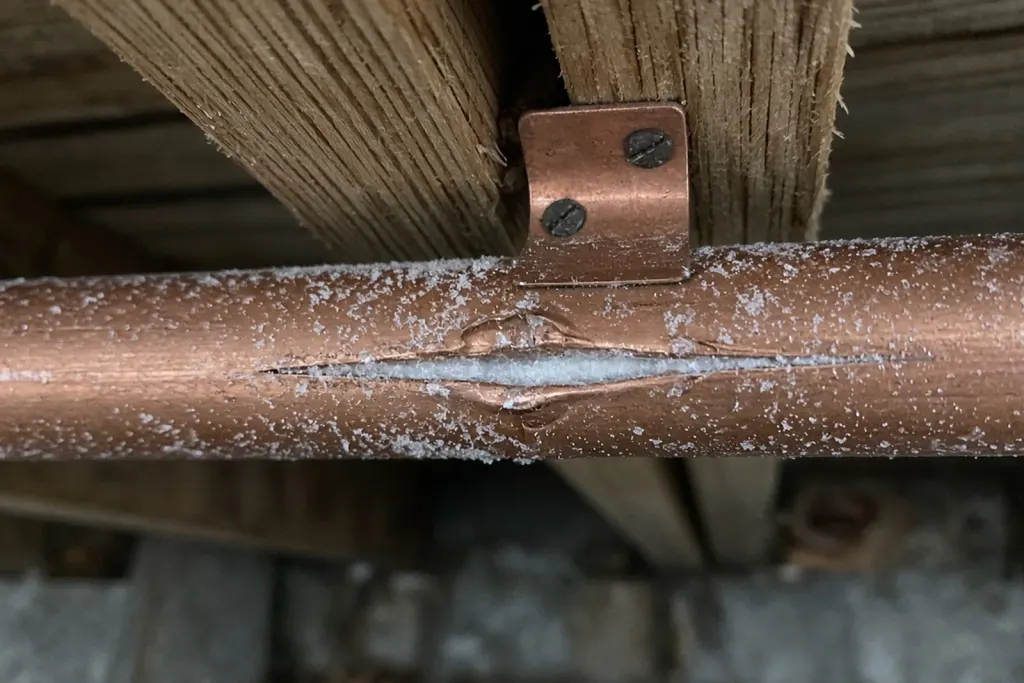
If a faucet gave you nothing this morning, or just a slow trickle, the first question is whether the pipe is only frozen or already cracked. Start safe action promptly: keep the affected faucet open if there is no active leak, and warm only what you can see and reach safely. A cracked pipe or any leak needs the main shut off and a call. When you do need us, you get one price before any work starts.
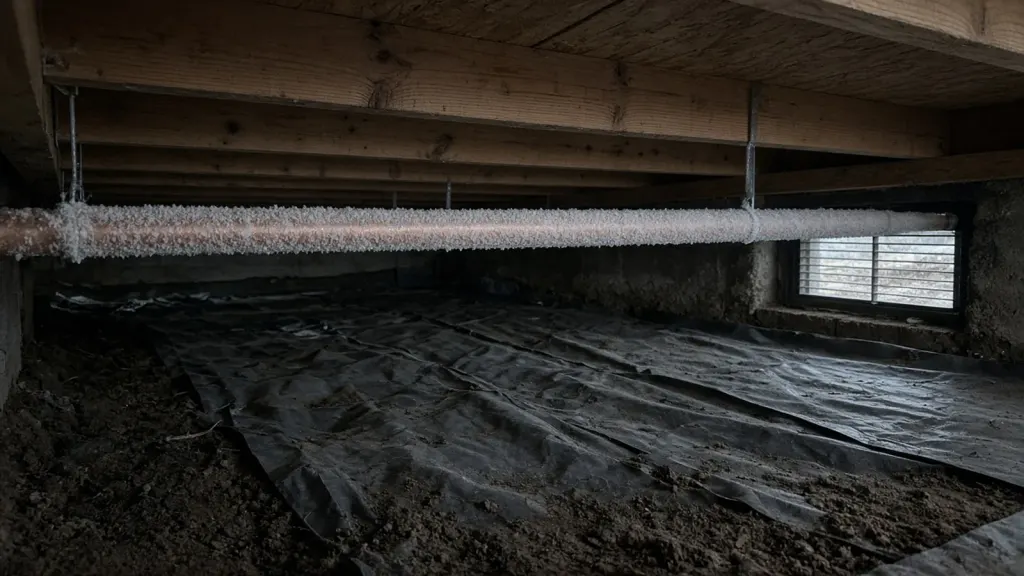
Check the cold spots you can reach: the crawlspace, an unheated garage, outside walls, and outdoor hose bibs. Note frost on a pipe, one faucet out while others work, no water anywhere in the house, a swollen or split section, dripping or pooling water, or a meter that spins while every faucet is off.
If you only see frost, a single dead faucet, or a whole-house outage with dry floors, you likely have a freeze, not a flood yet. Leave the affected faucet open a little so thawing water has somewhere to go. If the freeze is inside a wall you cannot see, call and talk it through instead of guessing.
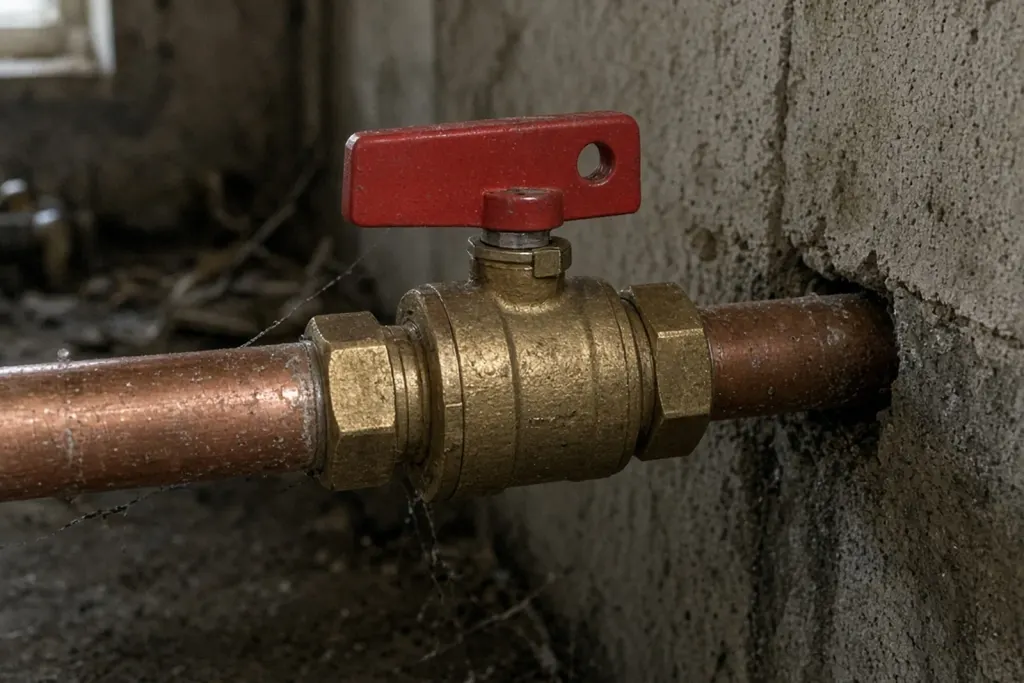
If you see a split, a bulge, active water, a spreading damp spot, or a spinning meter, treat it as an emergency. Shut off the main water valve (usually where the line enters the house, or at the meter), then call. Water expands when it freezes, and that pressure is what splits a pipe. A crack can also hide under ice and only leak once the pipe thaws, so recheck those cold spots later the same day even if water comes back on its own.
Why Portland Pipes Freeze Despite Mild Winters
Most Portland winters go weeks without a hard freeze. That is exactly why pipes fail here when a cold snap finally arrives. Homes and habits are built for rain, not for east-wind freezes that drop temperatures quickly and pull heat out of crawlspaces and outside walls. Pair that with an ice storm that knocks out power, and the furnace stops running when the pipes need it most.
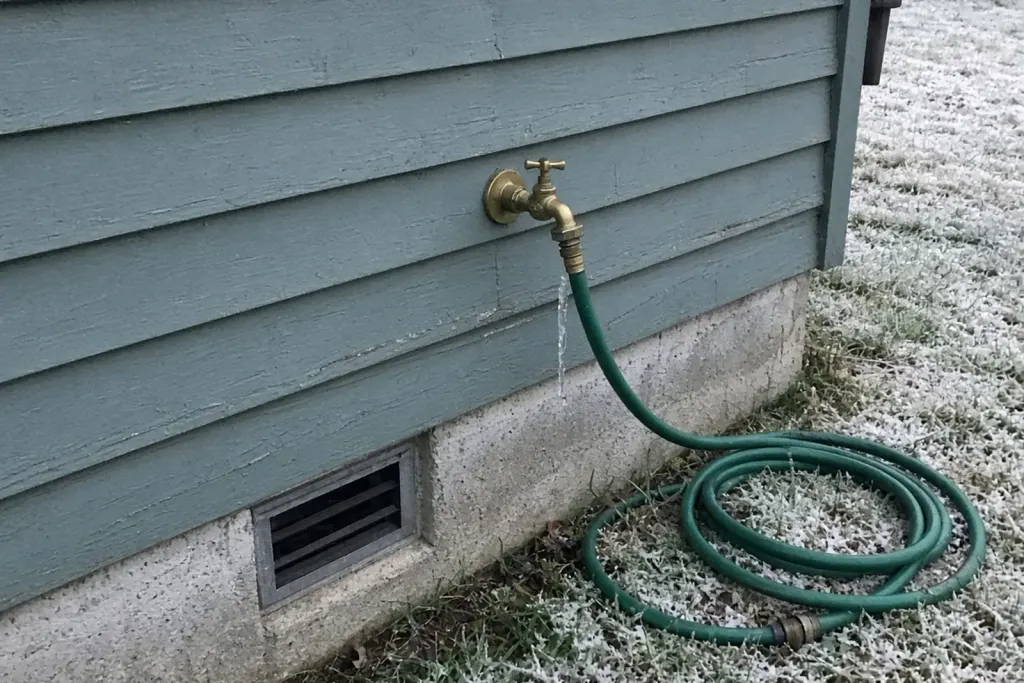
Portland also has many older homes over vented crawlspaces. Those vents manage moisture in a wet climate, and they also let cold air wash past uninsulated water lines under the floor. The first spots to freeze are usually crawlspace lines near vents or the main entry, pipes in outside walls, lines through an unheated garage, outdoor hose bibs with a hose still attached, and plumbing in additions or ADUs that do not get much heat.
Because hard freezes are rare, most people do not winterize every November. Hoses stay on, vents stay open, and thermostats get turned way down for holiday travel. None of that is careless most of the year. It only becomes a problem on the few nights that really get cold. If the same section freezes every time, pipe insulation on exposed lines or a frost-proof hose bib is usually a smaller job than cleaning up a split pipe.
Safe Steps Before the Plumber Arrives
If the pipe is frozen but not leaking, and you can see it, warm it slowly. Open cabinet doors so house air reaches the pipes, raise the thermostat a few degrees, and use a hair dryer or a space heater set a safe distance away while you stay in the room. Start near the open faucet and work back toward the cold spot so melting water has a path out. Towels soaked in warm water work if you do not have a dryer.
The American Red Cross guidance on frozen pipes says to keep the faucet open while you treat the freeze so water can begin to flow as the pipe thaws, and to call a licensed plumber if you cannot locate the frozen area, cannot reach it, or cannot thaw the pipe. Never use a torch, a propane heater, a charcoal grill, or any open flame. Fast heat can start a fire in a wall or crawlspace and can damage the pipe itself.
If a pipe has already burst and you shut the main, open a low faucet to drain remaining water, move belongings out of the wet area, stay out of standing water near outlets, and soak up what you can. Do not cut and patch a split yourself in a dark crawlspace, do not turn the main back on to "test" before the damaged section is fixed, and do not crawl under the house through standing water.
Photos of the frozen or split section, the area around it, and any water on floors or walls help us quote before we arrive. You get one price before work starts, and that is the price at the end of the job.
When You Don't Need a Plumber
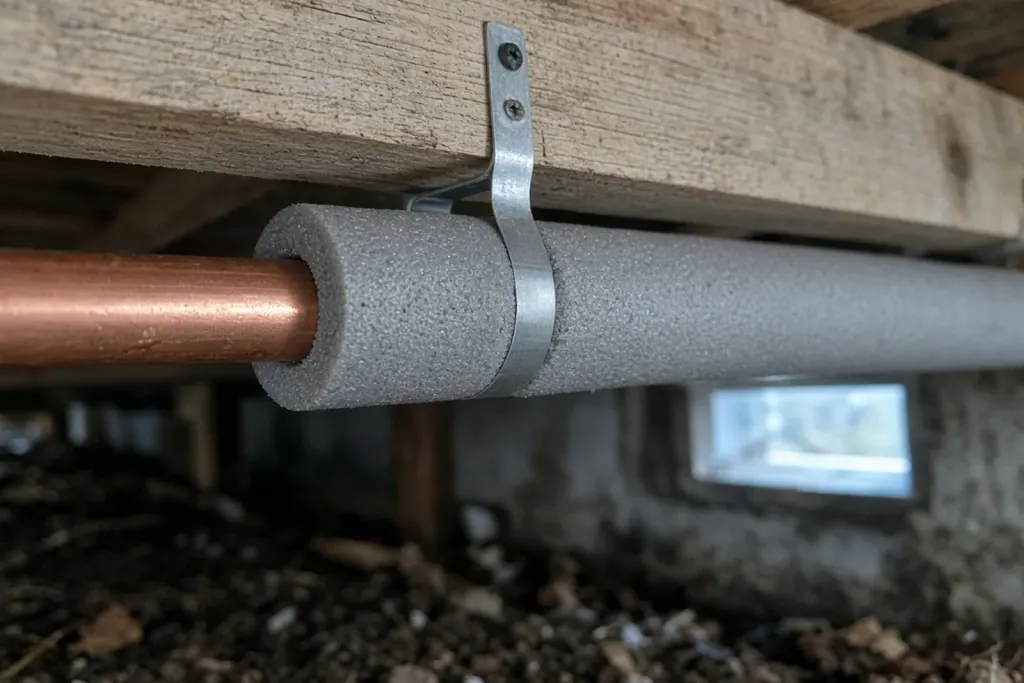
Not every freeze needs a truck. If the water came back, recheck crawlspaces, garages, and exterior walls later the same day. No visible leak does not rule out a split, because ice can plug a crack until it thaws. If your whole street is out, call your water utility instead of a plumber. If one faucet runs slow after the thaw, clean the aerator screen before you assume the pipe is still blocked.
Before the next cold snap you can unhook garden hoses, slip foam sleeves over easy-to-reach garage or under-sink lines, let the most at-risk faucet drip on the coldest nights, keep the thermostat steady overnight, and find your main shutoff now so you are not hunting for it in the dark. Call when a leak shows up after the thaw, the freeze is inside a wall or an unsafe crawlspace, or the same pipe freezes every winter even after those steps.
What Happens During a Frozen Pipe Repair Visit
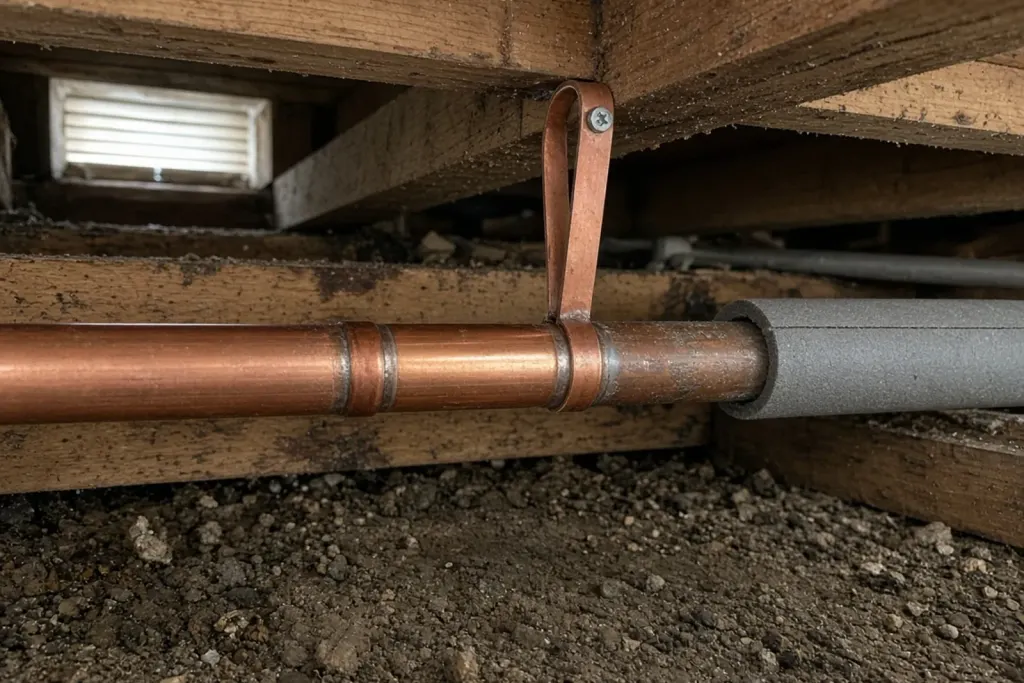
Wild Pine Plumbing is a licensed, bonded, and insured company under Oregon CCB #249970. We start at the dead faucet and work back toward the cold spots, often into a crawlspace or garage. A split is not always where the frost was, so we look at the whole run.
If the pipe is still frozen, it gets thawed slowly before any cutting. Before work starts, we stop and walk you through what we found, your options, and one price in plain language. Then you decide. The damaged section is cut out past the visible split into solid pipe on both ends, and the new piece matches the material already in the house, whether that is copper, PEX, or an older line.
If the whole run is worn, we will say so and explain what a larger repipe would involve. You do not have to decide that day. Fixing the leak you called about comes first. After the repair, water goes back on slowly while we check the new joints, every faucet, the meter with everything off, and the other cold spots on that line. Last, we talk about why that pipe froze, such as a bare line by a crawlspace vent, so you can insulate now or wait.
Military members, first responders, and seniors get 10% off. Wisetack financing is available when a repair turns into a bigger job. More of our licensed Portland plumbing work is listed with the rest of what we handle for Portland homes.
Frequently Asked Questions
How long does it usually take for a frozen pipe to thaw on its own?
It depends on how cold the spot is and how exposed the pipe is. A pipe in a heated room often thaws within a few hours once you warm the area. A pipe in a vented crawlspace or unheated garage can take much longer during a hard freeze. Start safe warming promptly. If you cannot locate the freeze, cannot reach it safely, or cannot thaw the pipe, call a licensed plumber. Do not wait on an arbitrary delay.
Can a frozen pipe burst even if I never see water leaking?
Yes. A pipe can crack while still frozen and show no leak until it thaws, because ice can plug the crack for a while. Recheck crawlspaces, garages, and exterior walls later the same day even if water comes back on its own.
Is it safe to keep water dripping from a faucet overnight during a freeze?
Yes. Letting the most at-risk faucet drip is a common way to lower freeze risk, because moving water is harder to freeze than still water. It works best on lines that run through a known cold spot on the coldest nights of the year.
Ready to Get Started?
Call (503) 594-4779.
Ask about our 10% discount for Military, First Responders & Seniors.