
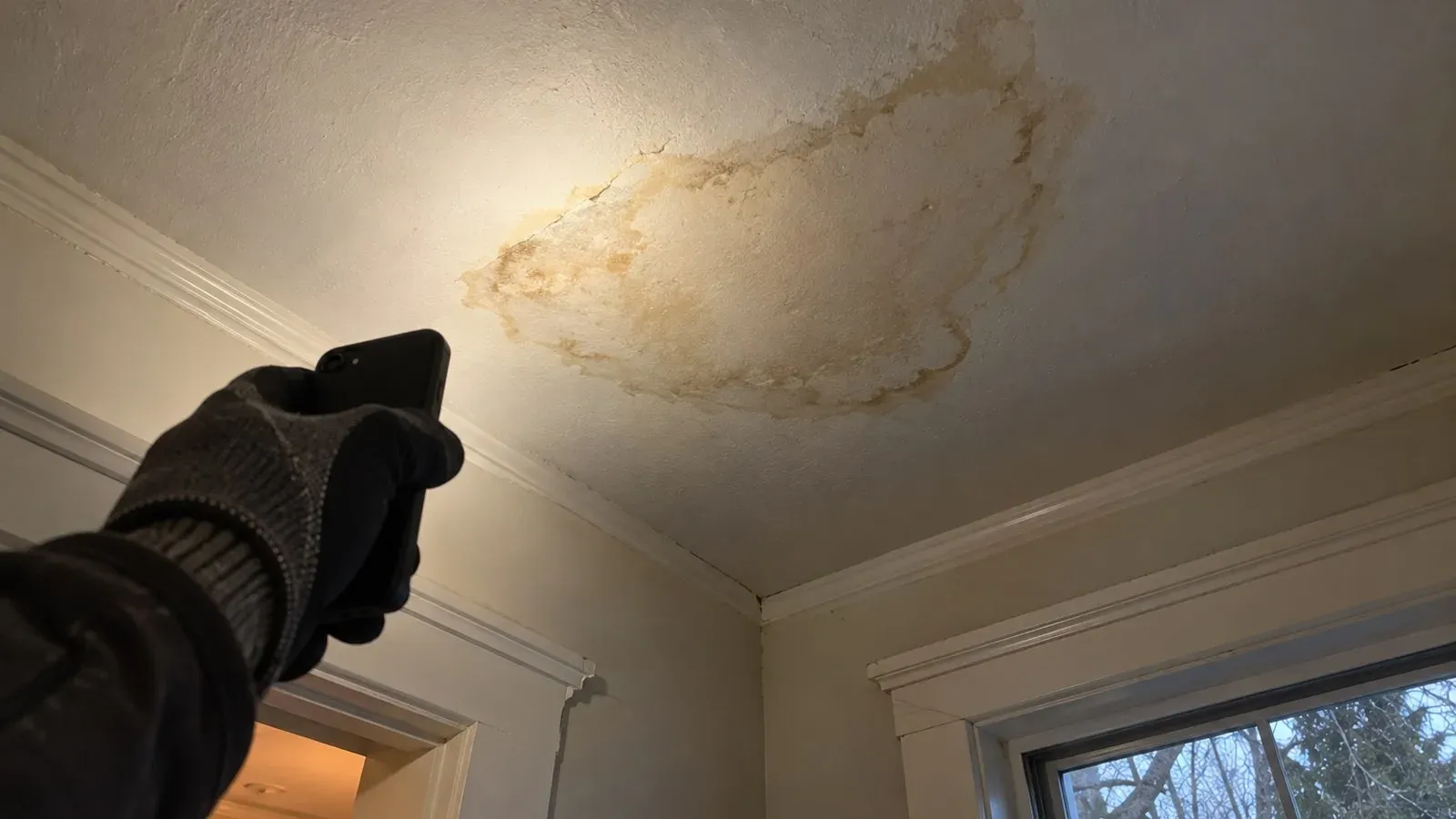
How To Find a Water Leak in Your House in Portland
Honest plumbing for Portland Metro — licensed, insured, available 24/7
- Licensed & Insured, CCB# 249970
- Available 24/7, nights and weekends
- Upfront pricing
- 10% off for Military, First Responders & Seniors
Need help finding a leak?
Straight answers and upfront pricing, any hour of the day.
Available 24/7 · Licensed & Insured · CCB# 249970
How To Test Your Water Meter for a Leak
Your water meter is the most reliable way to check for a leak. If water moves through your pipes, the meter tracks it. That's why we tell every caller to start here before doing anything else.
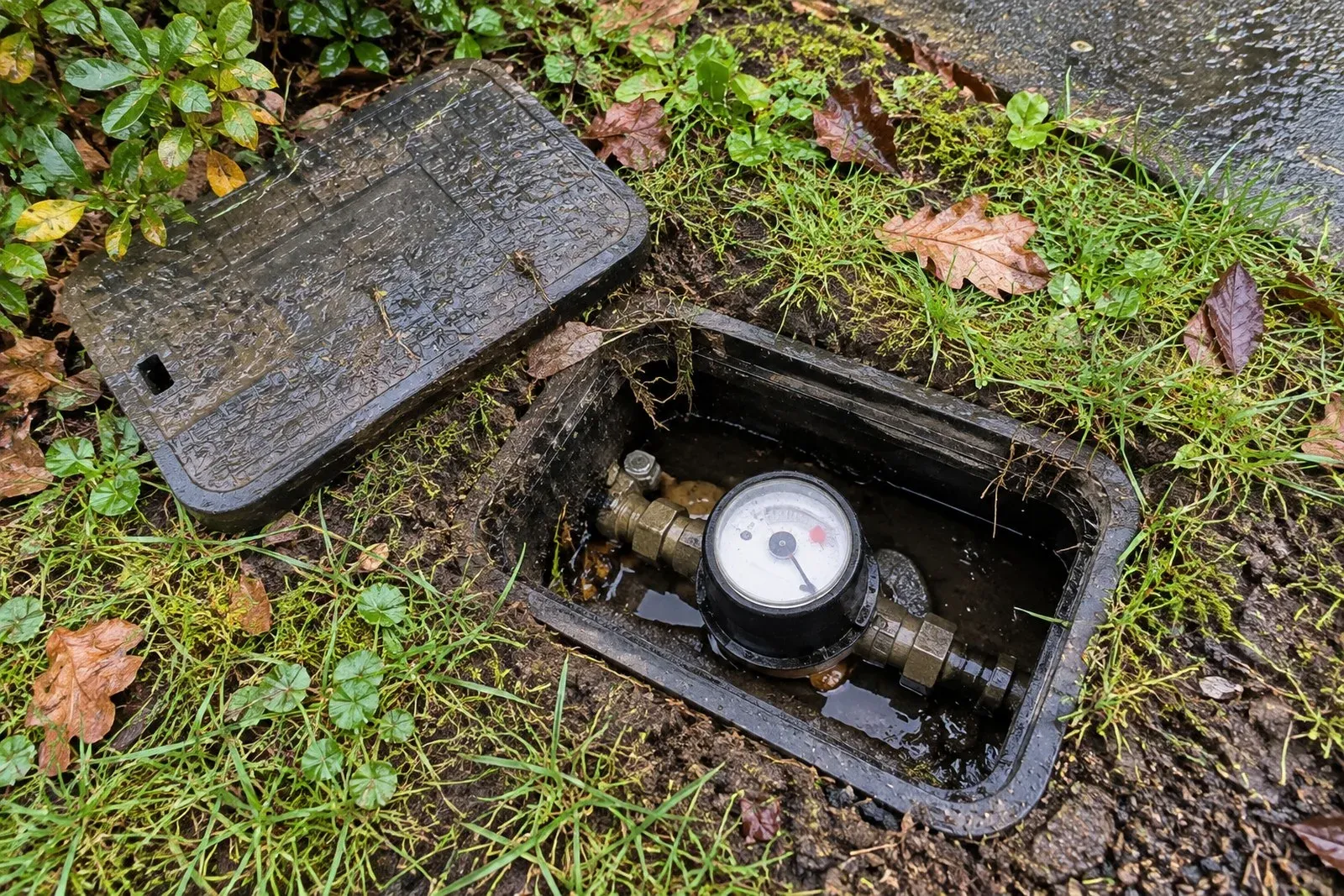
In most Portland homes, the meter sits in a concrete or plastic box near the curb or sidewalk. Some older houses have it in the basement. The box lid usually pops off with a flathead screwdriver. Lift it slowly. Spiders love those boxes, so do slugs in our wet winters.
The test takes about two hours. Most of that is just waiting. Here's how we walk homeowners through it on the phone.
- Shut off every water use in the house. That means faucets, showers, the dishwasher, the washing machine, and the ice maker. Turn off sprinklers too.
- Open the meter box and find the leak indicator. It's a small dial shaped like a triangle, star, or gear. It's often red or blue.
- Watch the leak indicator for a full minute. If it's spinning or creeping, water is moving somewhere.
- Write down the numbers on the main meter reading. Snap a photo with your phone so you don't misread it later.
- Wait one to two hours without using any water. Then check the reading again.
- If the numbers changed, you have a leak. Go to step seven to narrow it down.
- Close your main shutoff valve inside the house and check the meter again. If it stops moving, the leak is inside your home. If it keeps going, the leak is in the service line between the meter and your house.
That last step is important.
An inside leak usually means a toilet, a water heater, or a pipe in a wall or crawlspace. A service line leak is underground. It can soak your yard for months before you ever see a puddle. And in Portland's clay-heavy soil, that water often just disappears. You may never see a soggy spot.
Meter-Side vs. House-Side Leaks: Why the Difference Matters
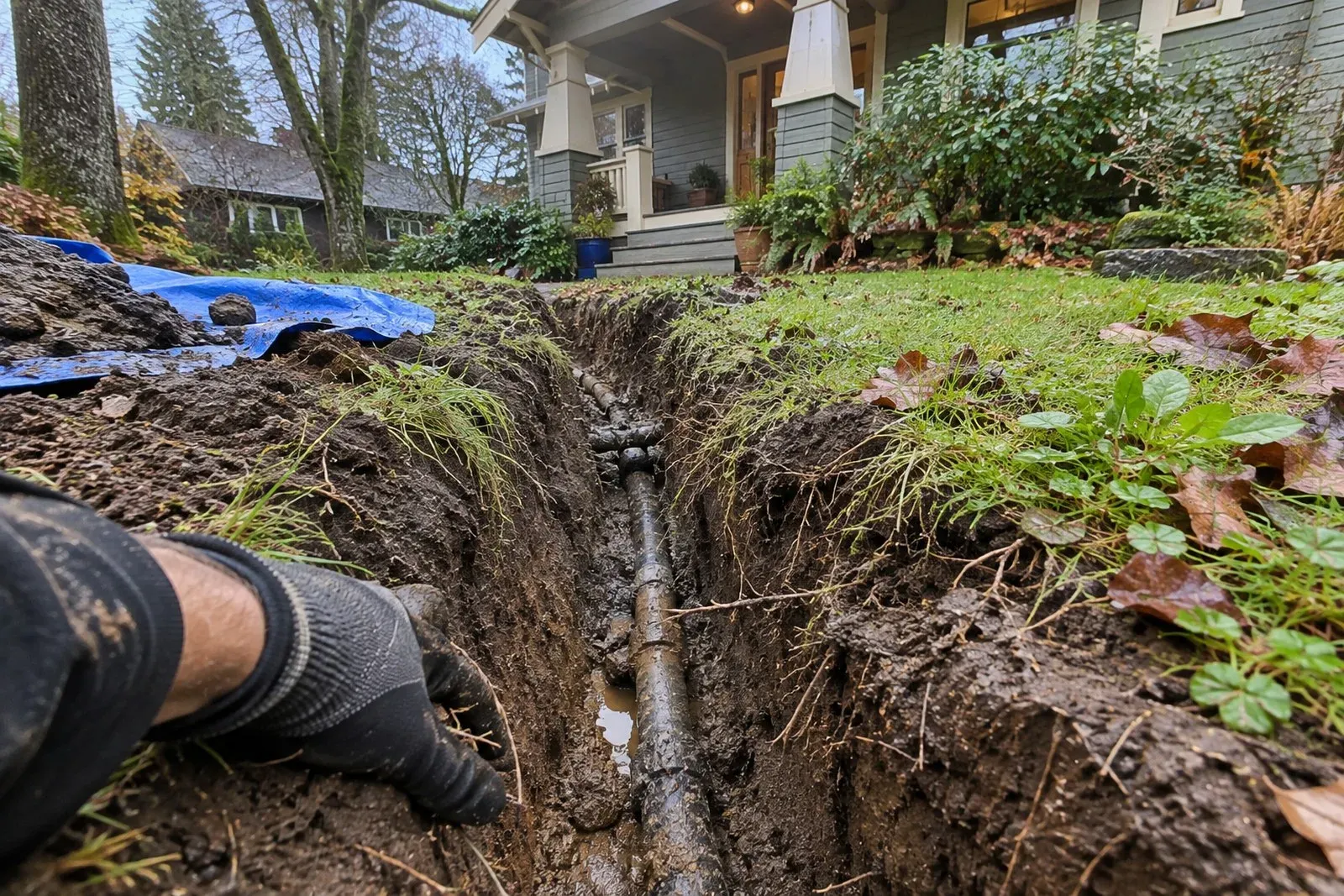
Your water meter is the dividing line. Most Portland homes have a meter in a small box near the curb or sidewalk. The Portland Water Bureau takes care of the meter and the pipe that runs from the street main to it. Everything past the meter belongs to you. That includes the buried service line running to your house and every pipe inside your walls.
So the first step is figuring out which side the leak is on.
It changes who you call. It changes how much digging might happen. And it tells you if the water is going into your yard or into your house. Those are two very different problems.
You can narrow it down in about fifteen minutes. All you need is your main shutoff valve and a look at the meter. Here's how we walk customers through it over the phone:
- Make sure nobody's using water and every faucet is off.
- Find your main shutoff valve where the water line enters the house. In older Portland homes it's often in the basement or crawlspace.
- Turn the main shutoff fully closed.
- Go out to the meter box and watch the small leak indicator dial for 10 to 15 minutes.
- If the dial still moves, the leak is on the service line between the meter and your house.
- If the dial stops, the leak is somewhere inside the house past the shutoff.
One more case to know about. Is water bubbling up around the meter box itself or out at the street? That's usually the city's side. Call the Portland Water Bureau first so they can check their equipment.
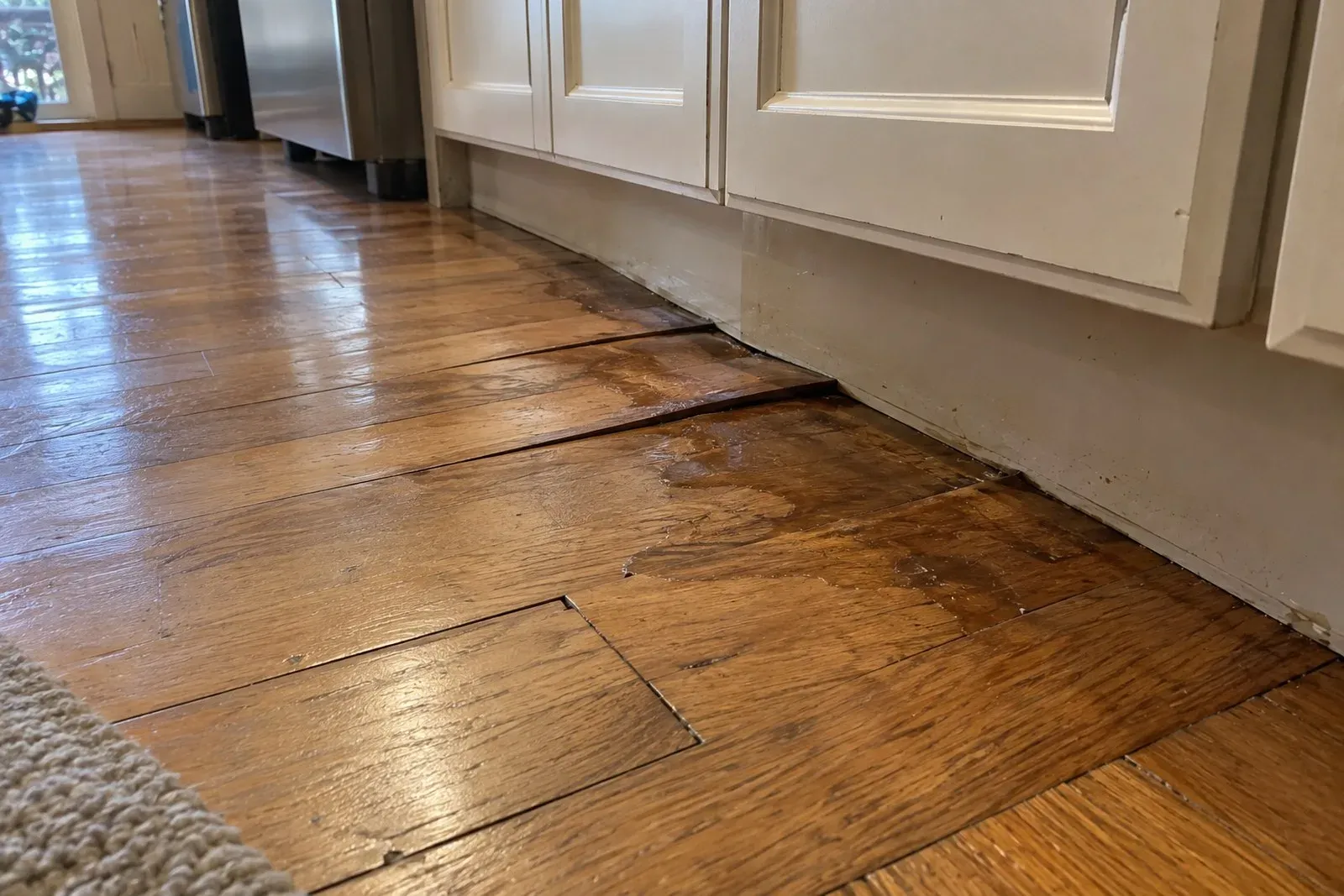
House-side leaks are the ones most people picture. A running toilet. A drip under the sink. A slow leak behind a wall that stains the drywall. These are usually easier to find because you can see or hear them. But some hide well, like a pinhole leak in a crawlspace that nobody checks.
Service line leaks are harder to find. The pipe is buried, sometimes a few feet down, so you won't see a drop of water inside. Instead you get clues outside. A soggy patch of lawn that never dries out, even in August. Grass that's greener in one strip. A sinking spot in the yard or driveway. Low water pressure throughout the house.
Frequently Asked Questions
How do you find a water leak that isn't visible?
You find a hidden leak by watching for clues like a rising water bill, musty smells, or soft spots on floors and walls. Your water meter is the best tool for confirming a leak you can't see. Shut off all water use, check the meter, wait two hours, then check again. If the numbers change, water is moving somewhere in your home. For leaks you can't pinpoint yourself, our guide to how to find a water leak in your house walks through each step in detail.
What tools can pinpoint where a leak is coming from?
A water meter with a leak indicator is the simplest tool most Portland homeowners already have access to. Food coloring dropped into a toilet tank can reveal a leaking flapper in minutes. Beyond that, professionals use listening devices and moisture meters to trace leaks behind walls or under floors. Start with the meter test at home, since it tells you right away whether the leak is inside your house or in the line leading to it.
What is the most common source of a water leak in a house?
Toilets are one of the most common sources, often from a worn flapper that lets water trickle into the bowl unnoticed. Water heaters, supply lines under sinks, and aging pipes behind showers are close behind. In older Portland homes with galvanized steel pipes, slow pinhole leaks inside walls are especially common. These leaks rust from the inside out, so they rarely show obvious signs until damage has already started.
How does Portland's climate make leaks harder to spot?
Portland's wet winters make it tough to tell rainwater from an actual pipe leak. A damp crawlspace in January could be groundwater soaking through, or it could be a leaking supply line. Our clay-heavy soil also hides leaks well, since water often seeps away underground instead of pooling on the surface. That's why checking your meter, rather than just looking for wet spots, matters more here than in drier climates.
Should I try to find a leak myself or call a professional?
You can handle the first steps yourself, like checking your water bill, testing your meter, and inspecting toilets with food coloring. Once you confirm a leak but can't find its exact location, it's time to call someone with the right tools. Leaks inside walls, under slabs, or in underground service lines need equipment to trace without tearing up your home. Waiting too long on a confirmed leak lets damage spread quietly for months.
Is a slow leak really worse than a burst pipe?
Yes, a slow leak often causes more damage than a burst pipe because it goes unnoticed for so long. A burst pipe gets fixed the same day since it's impossible to ignore. A slow leak can run for a year, soaking framing and feeding mold the whole time. That's why catching the early signs, like a musty smell or a creeping water bill, matters so much for protecting your home.
Ready to Get Started?
Upfront pricing. Honest work. Available 24/7 across Portland Metro.
Ask about our 10% discount for Military, First Responders & Seniors.